

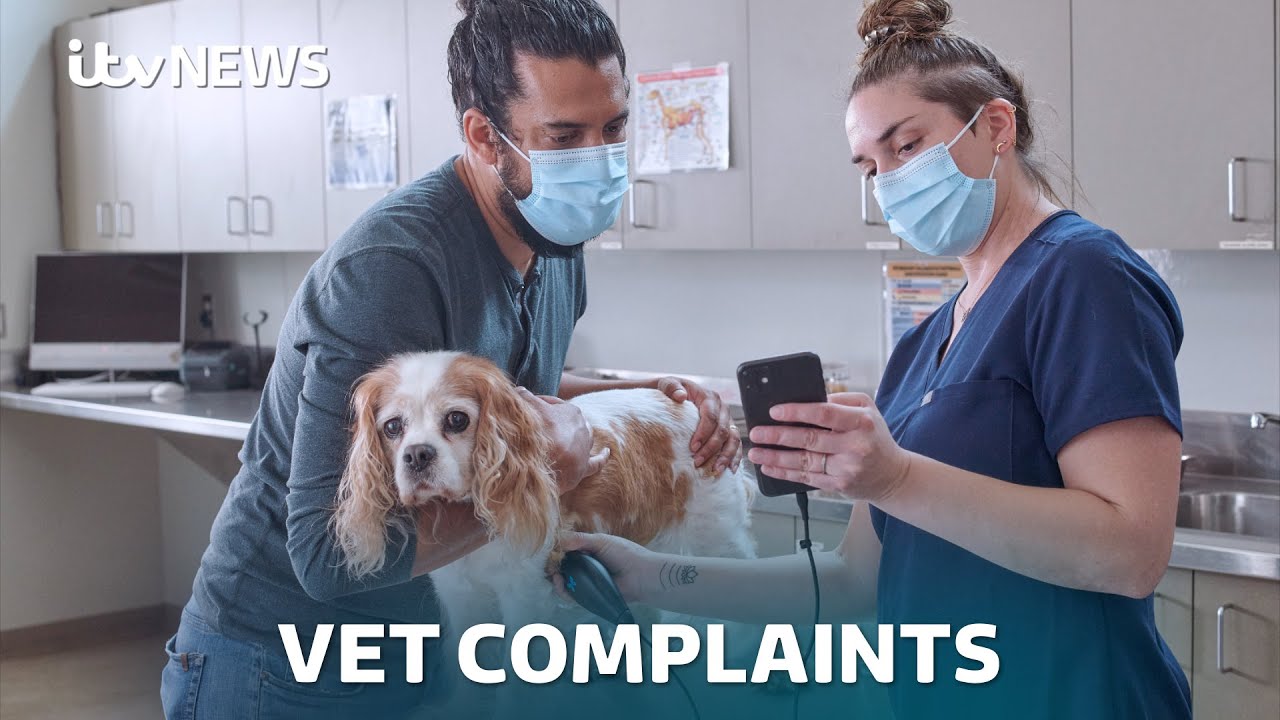
As someone who’s unfortunately had to go head-to-head with a veterinary practice before, I know first-hand the heartache, confusion, and mental toll it can cause.
When you’re already dealing with worry or grief about your pet, being unhappy with a vet’s care can leave you feeling overwhelmed — unsure where to start, who to contact, what to write, or even whether you have a case at all.
I was fortunate enough to have a close friend who is a lawyer. They helped me take highly emotional letters and reword them into something far more structured, factual, and matter-of-fact — and that alone made a huge difference in how my complaint was received.
Not everyone has that kind of support, and that’s exactly why I wanted to write this guide: to help pet owners who don’t know where to begin navigate the process calmly, clearly, and correctly.
This article is based on guidance from Citizens Advice, the Veterinary Client Mediation Service (VCMS), and UK veterinary regulators, alongside lived experience.
Before we begin let's start with the basics:
What you're entitled to
Fees, treatments and your rights
As a pet owner, you’re entitled to clear information including but not limited to:
- Fees and medicine costs, including receipts, invoices, and breakdown of cost.
- Written estimates and payment plans
- Pet insurance options
- Treatment choices
- Second opinions
- Informed consent
Open communication with your veterinary practice helps ensure the best care for your pet and reduces the risk of misunderstandings.
For more information about veterinary fees, visit Fees and pricing.
The most important things you are entitled to, that many owners are not made aware of are copies of your pet's:
- Diagnostic imaging (X-rays, CT scans, ultrasounds, MRI scans, etc.)
- Clinical notes and medical records
- Blood test (haematology) results and laboratory reports
- Referral letters and discharge summaries
In most cases, practices should provide copies of records within a reasonable timeframe, although administrative fees may occasionally apply for copying or transferring large files (I personally have not experienced this,
Step 1: Talk It Through With Someone You Trust
Before contacting the veterinary practice, it can really help to pause and talk things through with a trusted friend, family member, or loved one.
When emotions are running high, whether that’s fear, confusion, anger, or grief, having a safe space to vent can really clarify what you’re actually unhappy about and prepare you mentally as to what concerns you want to put into words.
This step isn’t about minimising your feelings, it’s about giving yourself the headspace to move forward in a way that helps your case rather than harms it. This step really helped me, I'm very lucky I had family around me and my amazing Bully Beauty brand reps who all gave me a safe space to vent.
Step 2: Write Everything Down (Informal)
Once you’ve had time to process things, start writing your concerns down, either on paper or on your phone or a computer.
This doesn’t have to be perfect or formal at first. The aim of this is to:
Get everything out of your head, including emotions and feelings,
Create a clear timeline of events, phone calls, appointments, etc.
Identify exactly what you feel went wrong
This part can be emotional and this is where support can really help, it will also give you some peace of mind knowing what issues you'll be escalating.
Raising Your Complaint
(Part 1): Raise Your Concerns With the Practice
In most cases, the next step should be to contact the veterinary practice directly. You have 2 options, depending on how you want the issue to be resolved:
In person: Ask to speak to the practice manager or senior vet, and clearly explain what went wrong and how it affected you or your pet. It's hard but try to keep your communication calm, factual, and written where possible. If you complain in person it is unlikely to receive compensation, or get escalated in any way, if that is what you're seeking. But you do not have to complain in person..
Email: Although I did express some immediate upset about duty of care at the time of my bulldog’s passing, all of my formal concerns were later composed by email. This ensured there was a clear audit trail of what was said, when it was said, and how the practice responded.
Many practices have a formal complaints procedure and are required to respond within a reasonable timeframe.
Tip: Always ask for a copy of their complaints policy if it isn’t provided, but you can normally find this on their website.
(Part 2) Put Everything in Writing (Formal)
You can skip this step if you want to do it in person rather than email.
If the issue isn’t resolved informally, you can submit a formal written complaint.
Include:
Dates and times of treatment
Names of staff involved (if you have them)
What you believe went wrong
The impact on your pet and/or you
What outcome you are seeking (apology, explanation, refund, changes to procedure, etc.)
Keep copies of:
Emails and letters
Invoices and receipts
Medical records - I'll elaborate on this in a moment...
Photos or videos (if relevant)
This evidence will be essential if the complaint needs to be escalated.
I was fortunate enough to have a close friend who is a lawyer who helped reword my emotional drafts into something far more structured, factual, and matter-of-fact — which made a significant difference to how my complaint was received.
If you don’t have that kind of support, you can:
Ask trusted friends or family to help you rephrase things, or use the power of social media to help you find someone who may offer their assistance
Pay a solicitor or lawyer to assist, if it’s within your means
Use AI tools such as ChatGPT (it's free!) to help rewrite emotional drafts into clearer, more neutral wording
Needing help to write a complaint does not weaken your case — it often strengthens it.
(Part 3): Submit Your Complaint
This step matters because most escalation routes require proof that you’ve tried to resolve things directly first.
Once you’ve got your written complaint ready to go you can submit it via the appropriate channels, you can usually find this on their website, it's generally via an email.
Expect to receive an acknowledgement email within around 2 business days.
Give the practice a reasonable timeframe to respond (this varies depending on the clinic, ours was 15 business days, which worked out around 3 weeks)
Keep all replies, acknowledgements, and follow-ups.
As hard as it is to wait, avoid chasing them unless deadlines pass
Once your complaint has been submitted, it’s important to hope for the best but prepare for the possibility that the outcome may not meet your expectations.
Some practices may not accept accountability, agree to remediation, or offer reimbursement — and while that can feel deeply frustrating, understanding the wider industry context can help set realistic expectations. Which takes us onto the next part...
Protect Yourself
Regardless of outcome: Take breaks from the process if it becomes overwhelming, make sure to lean on support, these situations are emotionally heavy. Advocating for your pet shouldn’t come at the cost of your mental health.
Also, as hard as it may be, try to avoid public posts while complaints are ongoing, you don't want the complaint to be reversed into "Slander" or "Defamation of character", it also doesn't make you look great if the complaint escalates above the vets.
The Complaint Response...
If You’re Unhappy With the Response...
If you're happy with their response, then you don't need to go any further; you can share your story to social media to spread awareness if you want to, but no further formal action needs to happen.
However, if the practice’s response is dismissive, incomplete, or doesn’t address your concerns:
You can contact independent advice services to understand your options
This helps you decide whether your issue is a communication/service issue, or a professional conduct concern
This is about choosing the right route, not escalating for the sake of it.
Please Note: Wanting to speak out publicly — particularly on social media — is completely understandable. Many people feel anger, injustice, or a need to warn others, and those feelings are valid.
However, it’s worth knowing that public posts made while a complaint, mediation, or escalation is ongoing can sometimes complicate or undermine the process, potentially affecting how seriously your concerns are taken or how willing a practice is to engage.
If you do plan to share your experience publicly, it may be wise to wait until formal processes have concluded, so you can speak freely without risking the outcome you’re seeking.
Veterinary Client Mediation Services
Issues the VCMS can help with
- Concerns about the quality of service (including, but not limited to, poor communication, misunderstandings, or overall care)
- Fee disputes or explanations
- Allegations of negligence
Once you raise a complaint to them, they will let you know they received your complaint and contact the Vet/Clinic.
It is worth noting that if the Vet/Clinic refused voluntary mediation, then the complaint is closed, and that is it.
The VCMS is a free and independent telephone based service, funded by the Royal College of Veterinary Surgeons (RCVS). Their role is help resolve issues between veterinary professionals who are regulated by the RCVS and their clients.
What they Can't / Don't / Won't do:
- Investigate the vets
- Make judgements
- Force either party to participate in mediation.
They work with you and the practice to try and reach a solution which is acceptable to you both.
Possible outcomes
- Corrective treatment
- An apology from the practice
- A refund of fees
- A goodwill payment
- Changes to practice procedures
This step is optional and depends entirely on what outcome you’re seeking. You can have a further look into what they do Here: https://www.vetmediation.co.uk/
It’s also important to be aware that any mediation through the Veterinary Client Mediation Service (VCMS) is confidential. This means discussions and outcomes reached through mediation are not intended to be shared publicly.
Contact the VCMS
- Phone: 0345 040 5834
- Email: enquiries@vetmediation.co.uk
- Website: Veterinary Client Mediation Service
Regulatory or Legal Escalation (If Necessary)
If your concern involves: serious failures in care, breaches of professional standards and/or animal welfare concerns you may need to escalate to a regulatory body or seek independent legal advice, which in most cases where vet's are involved, is the Royal College of Veterinary Surgeons (RCVS).
This step should usually come after:
- Complained to the practice
- Attempted mediation
- Understand what outcome you realistically want
They investigate the most serious concerns affecting a vet’s or vet nurse's ability to practise safely and professionally. This includes behaviour that falls significantly below expected professional standards.
Issues the RCVS can help with:
- Serious breaches of the Code of Professional Conduct.
- Fraud or dishonesty
- Criminal convictions
- Health issues affecting safe practice
What they can do:
- Investigate whether a veterinary professional should remain on our Register
- Take disciplinary action if serious professional misconduct is proven
What they cannot do
- Fine a veterinary professional
- Order a practice to provide treatment, apologise, or refund fees
- Give clinical advice
- Order a veterinary surgeon to pay compensation
- Resolve negligence claims
If you’re unsure whether your concern falls within the RCVS remit, you can call them on 020 7202 0789 or submit a query via their online form.
When to seek legal advice
If you believe your pet was harmed due to negligent veterinary care and you are seeking financial compensation, you may need legal advice. Legal action is separate from the RCVS process and considers whether negligence caused harm or financial loss. You must show that the standard of care fell below what is reasonably expected and that this caused harm to your animal.
Where to obtain legal advice
- England and Wales: find a solicitor
- Scotland: find a solicitor
- Northern Ireland: find a solicitor
- General guidance: Citizens Advice provides advice on legal options and claims processes
Legal action can take time and may be costly, and the outcome is never guaranteed. It’s always worth considering whether the potential benefits are likely to outweigh the effort and expense.
Important to know:
Understanding the Wider Veterinary Industry
Once your complaint has been submitted, it’s important to hope for the best but prepare for the possibility that the outcome may not meet your expectations.
Some practices may not accept accountability, agree to remediation, or offer reimbursement — and while that can feel deeply frustrating, understanding the wider industry context can help set realistic expectations.
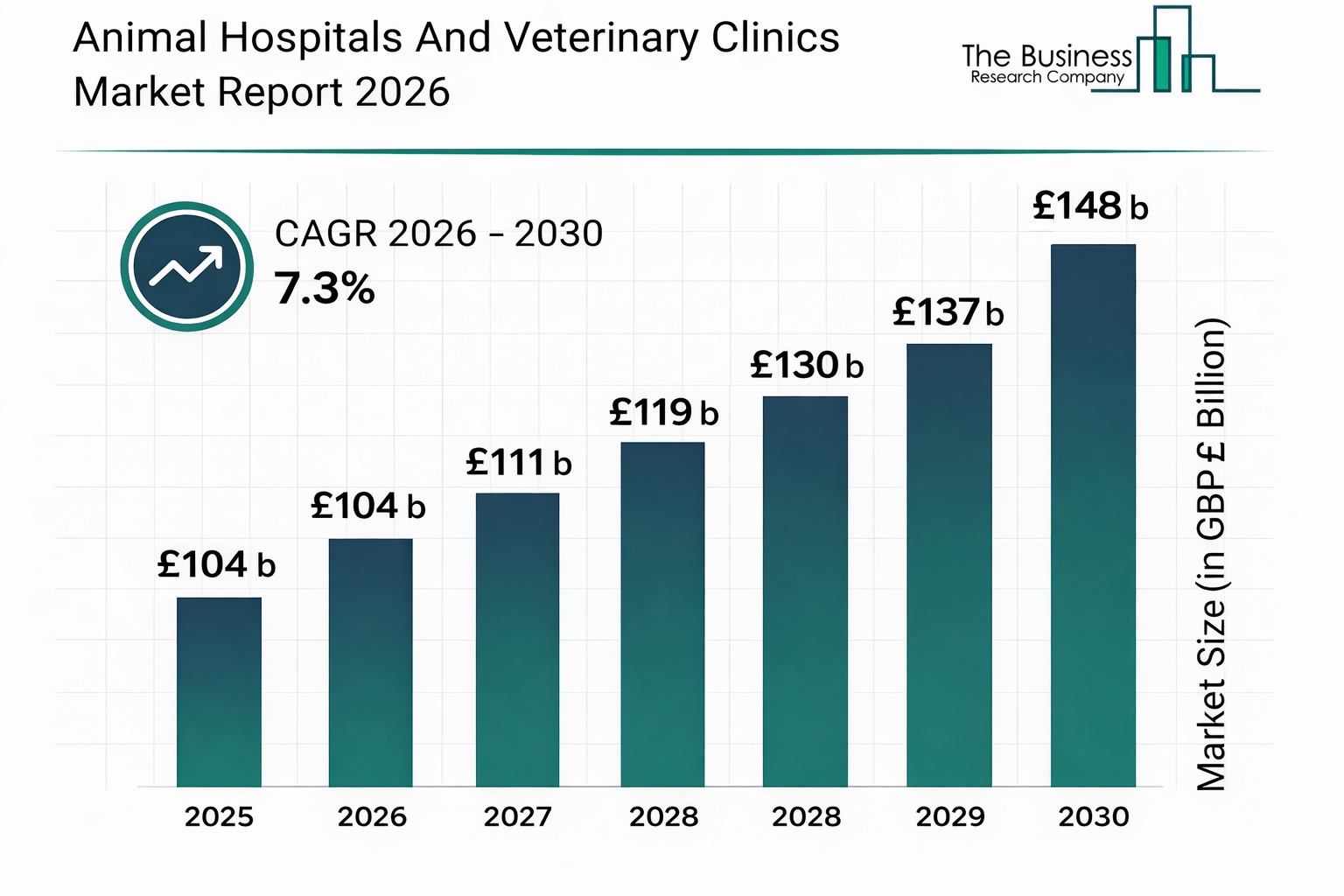
The UK veterinary industry is estimated to be worth around £6 billion, and a significant proportion of practices are no longer independently owned.
The Competition and Markets Authority (CMA) has identified that approximately 60% of the UK veterinary market is owned by just six large corporate groups, including: Linnaeus, owned by Mars, Pets for Vets, owned by Pets at Home (a publicly listed company since 2018), and Medivet, VetPartners, and CVS Group, who are all backed by private equity and a mix of institutional investors, as well as IVC Evidensia, which is also partly owned by Nestlé.
As you can see, many of these organisations are backed by private equity firms and institutional investors. As a result, complaints and remediation requests may be handled within structured corporate, legal, or insurance-led frameworks rather than at individual practice level, with a primary objective of making and retaining money; unfortunately, often over the duty of care.
This does not mean your concerns are invalid. However, it can influence how complaints are assessed, how responsibility is framed, and what outcomes are offered.
Being aware of this landscape allows you to approach the process informed, prepared, and emotionally protected — and to decide early on whether mediation, regulatory escalation, or independent advice may be appropriate.
Prepare for All Outcomes
Once your complaint has been formally submitted, it’s important to emotionally prepare yourself for the possibility that the outcome may not be what you hoped for.
While some practices respond with accountability, compassion, or a genuine attempt at resolution, others may: deny wrongdoing, decline reimbursement or remediation and/or provide a limited or defensive response.
It’s healthy to hope for the best, but prepare for the worst.
Many veterinary practices today operate within larger corporate or financial structures. In these settings, complaint handling may be influenced by internal policies, insurers, or commercial considerations rather than individual discretion at practice level.
This does not mean your concerns are invalid, nor does it mean every practice operates this way. However, it can affect how complaints are assessed, how responsibility is framed, and what outcomes are offered.
Preparing yourself for this possibility can help protect your mental wellbeing and allow you to think more clearly about next steps if escalation becomes necessary.
I hope this helped...
I know first hand how challenging a veterinary service can be emotionally exhausting, especially when it follows worry, trauma, or loss. There is no “right” way to feel during this process, and it’s normal to want answers, accountability, and simply to be heard.
By taking a structured, informed approach, giving yourself space, putting things in writing, and choosing the right route at the right time, you give yourself the best possible chance of clarity while protecting your own wellbeing.
Whether your journey ends with resolution, escalation, or simply peace of mind that you tried, knowing your options allows you to move forward with confidence rather than regret.
Above all, remember: advocating for your pet is an act of care... and you deserve care too.

ITV: Vet complaint process in UK often ‘stacked against pet owners’ | ITV News


Leave a comment
This site is protected by hCaptcha and the hCaptcha Privacy Policy and Terms of Service apply.