


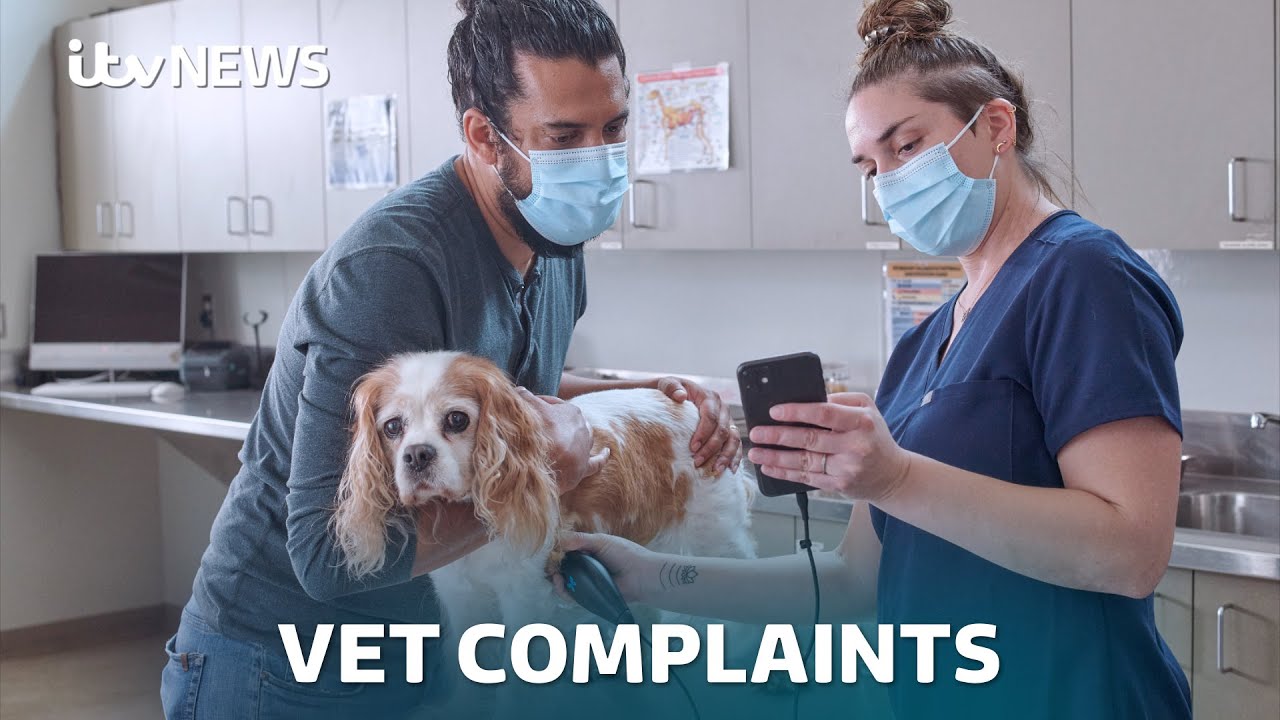
If you’ve felt like vet bills have climbed sharply in recent years — you’re not imagining it. The UK Competition and Markets Authority (CMA) has been investigating the veterinary market and describes it as worth around £6.3 billion (spend in 2024), with major concerns about transparency, competition, and the way prices are presented to pet owners.
At the same time, ownership of practices has changed dramatically: the CMA and major UK reporting have highlighted that roughly 60% of the market is now owned by six large corporate groups (“the Big Six”).
The “Big Six” UK Vet Groups and Who Owns Them
Here’s the simple version of who’s who:
Linnaeus — part of Mars Veterinary Health / Mars Petcare
IVC Evidensia — majority owned by EQT, with Nestlé as a minority shareholder (and other investors have been involved)
Medivet — backed by private capital; CVC invested/acquired a majority stake (2021)
VetPartners — owned by BC Partners (since 2018)
CVS Group — a publicly listed company (AIM) with large institutional shareholders
Pets at Home (Vets4Pets) — Vets4Pets is owned by Pets at Home, which is publicly listed (IPO 2014)
What the Regulator’s Main Concerns Are (in plain English)
The CMA’s provisional decision and related reporting focus heavily on issues like:
Poor price transparency (hard to know costs upfront)
Pet owners paying more at large groups on average (reported ~17% in some coverage of CMA findings)
Medicines and prescription fees (people not realising they can shop around; CMA proposed reforms such as a prescription-fee cap)
Confusion about who owns a practice (local branding can mask corporate ownership)
These are market-wide concerns — not claims about any one branch or vet.
The Biggest Complaints Pet Owners Share (from public reviews)
A fair way to handle reviews is to talk about themes, not absolutes:
Recurring themes across large chains (commonly seen in reviews)
“Too expensive / unexpected bills”
“Felt pressured into tests/treatments”
“Poor communication / not feeling listened to”
“Hard to get clear pricing upfront”
“Different experience depending on which vet you get”
You’ll see both great and terrible experiences in reviews for almost every brand — and because most care is delivered at local branch level, experiences can differ wildly.
Examples of where these themes show up publicly
Vets4Pets has a very large volume of public reviews overall, spanning both praise (kind staff) and frustration (costs/communication).
Medivet similarly has a high volume of public reviews, including cost and communication being common discussion points in negative reviews.
IVC Evidensia reviews (at group level) frequently include “corporate takeover” sentiment and cost concerns.
CVS Group and VetPartners have fewer group-level reviews, but public review pages still show recurring issues (often around service experience and perceived value).
Why this matters
Two things can be true at once:
-
Many vets and nurses are deeply caring professionals doing their best.
-
The business structures around them can create pressure points (pricing, targets, transparency, insurance dynamics).
The CMA’s work is basically acknowledging that pet owners are struggling to make informed decisions — and that the system needs clearer rules and better transparency.
Why this matters (without demonising vets)
Two things can be true at once:
-
Many vets and nurses are deeply caring professionals doing their best.
-
The business structures around them can still create pressure points (pricing, targets, transparency, insurance dynamics).
The CMA’s work is basically acknowledging that pet owners are struggling to make informed decisions — and that the system needs clearer rules and better transparency.
Practical takeaways for pet owners
Ask for estimates in writing before non-urgent tests/treatments
Request an itemised invoice
Ask if there are lower-cost alternatives or watchful waiting options
If medication is prescribed, ask about prescription options and whether you can source elsewhere
Don’t be afraid to get a second opinion for non-emergency decisions
Final Thoughts
Most people who work in veterinary medicine care deeply about animals. At the same time, the structure of the modern veterinary industry means that financial considerations are now an unavoidable part of how care is delivered.
Being informed doesn’t make you distrustful — it makes you empowered. Knowing how the industry is structured, who owns major providers, and what concerns regulators have raised allows you to advocate for your pet with confidence, clarity, and fairness.
References & Sources
Competition and Markets Authority (CMA) — Veterinary Services Market Investigation
https://www.gov.uk/cma-cases/veterinary-services-market-investigation
CMA Initial Findings & Working Papers on Market Concentration
UK Government statistics on veterinary services and consumer markets
Corporate ownership disclosures:
- Mars Veterinary Health (Linnaeus)
- EQT ownership statements (IVC Evidensia)
- Nestlé minority stake disclosures
- CVC Capital Partners investment announcements (Medivet)
- BC Partners ownership announcements (VetPartners)
- CVS Group investor reports
- Pets at Home Group annual reports
Public review platforms: Google Reviews, Trustpilot (used for thematic analysis, not verification)
This article is for general information only and does not constitute legal, financial, or veterinary advice.

Leave a comment
This site is protected by hCaptcha and the hCaptcha Privacy Policy and Terms of Service apply.