


As the holiday season approaches, many of us are eager to transform our homes into festive wonderlands adorned with seasonal plants and flowers, and why wouldn't you?
Well...While these decorations add charm and merriment to our surroundings, it's essential for pet owners to be aware of potential hazards that some of these botanical beauties may pose to our furry friends. In this guide, we'll explore six common holiday plants that require extra caution when you share your space with pets.
-
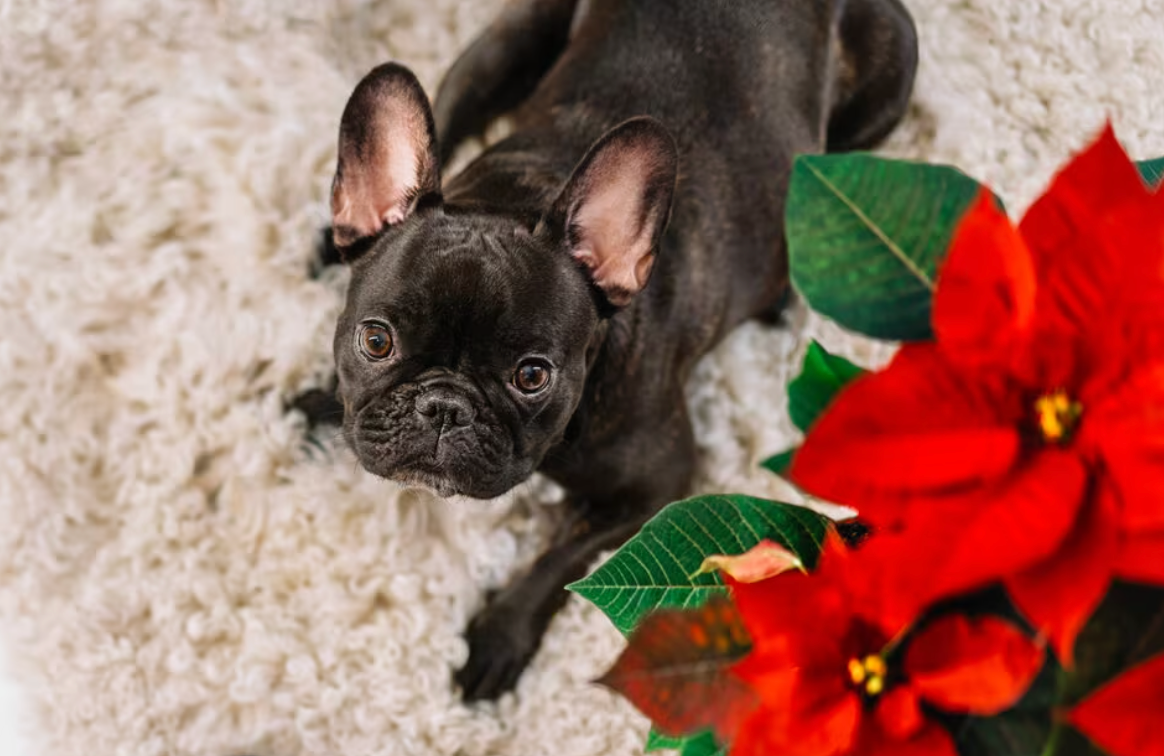
Poinsettia: Let's start with the classic poinsettia, a staple in many holiday decorations. As mentioned earlier, poinsettias contain a milky sap that can cause mild irritation if ingested or if it comes into contact with the skin. While severe reactions are rare, it's wise to keep these plants out of your pet's reach to prevent any potential discomfort.

-
Holly: The vibrant red berries and glossy green leaves of holly are synonymous with the holiday season. However, these festive adornments can be toxic to pets if ingested. Symptoms may include vomiting, diarrhea, and, in extreme cases, more severe complications. To keep your furry companions safe, consider using artificial holly or placing natural holly arrangements in areas inaccessible to your pets.

-
Mistletoe: While mistletoe adds a romantic touch to the season, it's important to exercise caution. Some varieties of mistletoe can be highly toxic to pets, causing symptoms ranging from gastrointestinal upset to more severe issues. Opt for artificial mistletoe or place natural mistletoe high out of your pet's reach to avoid any potential problems.

-
Christmas Trees (Pine Needles): The beloved Christmas tree, often the centrepiece of holiday decor, can pose a threat to pets, primarily through the ingestion of pine needles. These needles can cause gastrointestinal upset, and in some cases, more serious issues if swallowed. Regularly sweep up fallen needles and consider securing the tree to prevent accidental tipping.

-
Ivy: Ivy, with its trailing vines and lush leaves, can add a touch of elegance to your holiday arrangements. However, some varieties of ivy can be toxic to pets if ingested. Choose pet-friendly alternatives or place ivy arrangements where your pets can't nibble on them.

-
Lilies: While not as commonly associated with the winter holidays, lilies are sometimes used in floral arrangements. However, many varieties, particularly those of the genus Lilium, can be extremely toxic to cats. Even a small amount of ingestion can lead to severe kidney damage. If you have cats, it's best to avoid lilies altogether.

As you deck the halls and embrace the holiday spirit, keeping your pets safe is paramount. By being aware of the potential hazards associated with certain plants and flowers, you can create a festive and pet-friendly environment for everyone to enjoy. Consider pet-safe alternatives, place decorations strategically, and always consult with your veterinarian if you suspect your pet has ingested a potentially harmful plant. With a little knowledge and precaution, you can ensure a joyful and safe holiday season for both you and your furry companions.


Leave a comment
This site is protected by hCaptcha and the hCaptcha Privacy Policy and Terms of Service apply.